EXPERIMENTAL LABS
To further investigate the phenomenon of dissonance in heritage, the Co.Co.War project coordinated three Experimental Labs.
Labs are local activities aimed at exploring dissonant heritage cases around the world, each located in different areas and linked to different historical contexts.
These labs have a twofold objective: first, to explore how local communities perceive, remember and live in these historically significant places and how these aspects have been affected by dissonance; and second, to formulate possible strategies to contribute to the conservation and communication of the (dis)values of these selected cases. Activities are conceived and implemented in direct collaboration with local entities, associations, NGO’s and universities who had long experience working in their respective contexts. Next, you will find a brief description of the activities that were carried out during the Experimental Labs in Armenia, Italy, Bosnia and Herzegovina.
“Partisan Cemetery Memorial”. Workshop and Site Survey (Bosnia and Herzegovina)
Date: 12-14 May 2025
Place: Mostar, Bosnia and Herzegovina.
Organizer: Politecnico di Torino.
Partners: Nansen Dialogue Center NDC Mostar
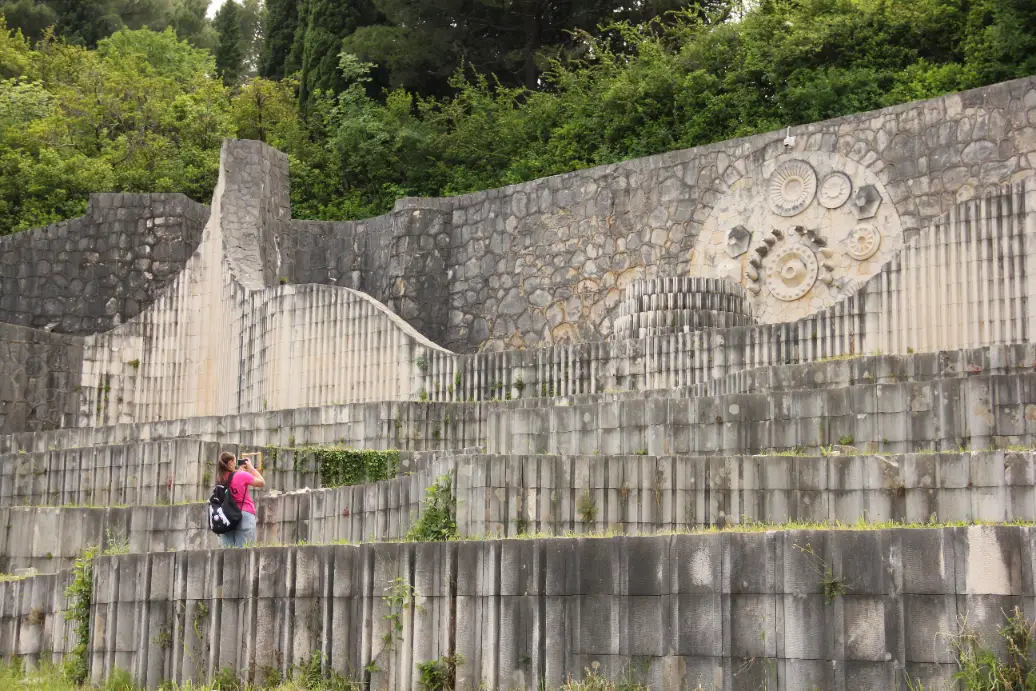
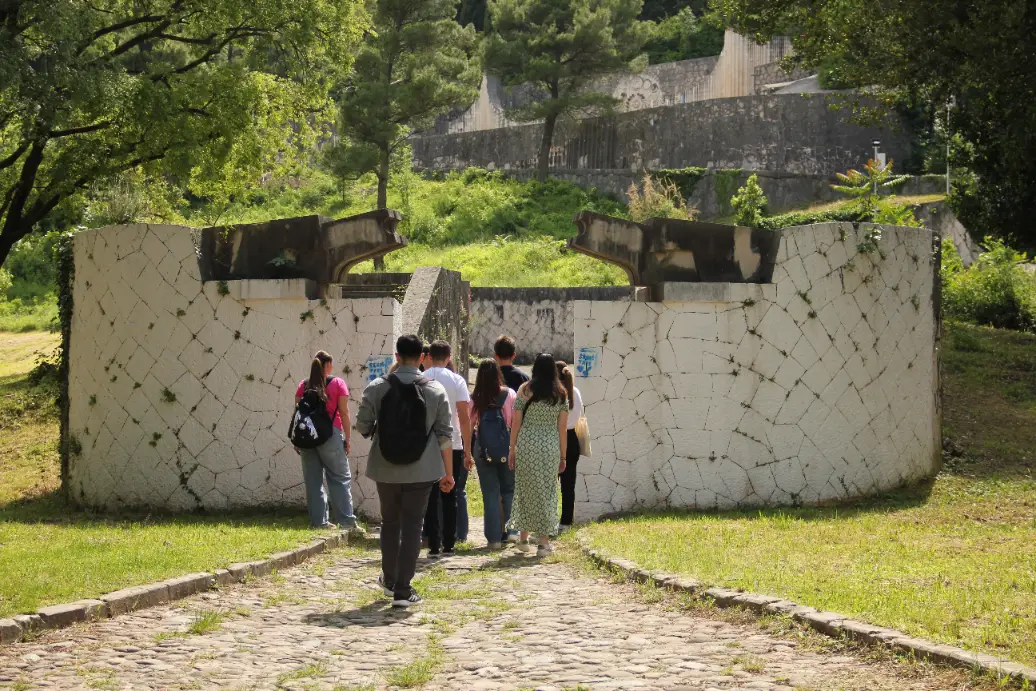
Between 12 and 14 May 2025, the research unit of the Politecnico di Torino, in coordination with the Nansen Dialogue Center (NDC), carried out a series of activities in the city of Mostar related to the case study of the Partisan Memorial Cemetery. The main objective was to understand how this cultural heritage site is perceived by the local community in relation to the complex historical events that have taken place in the city since the end of the Second World War. From this perspective, the Partisan Cemetery, or Partiza, as it is locally known, represents a paradigmatic example of dissonant heritage. Built during the 1960s by commission of the Yugoslav government and designed by the architect Bogdan Bogdanović, the cemetery experienced periods of great relevance during the Yugoslav era, followed by destruction and neglect mainly due to the outbreak of the Bosnian War, and later subjected to different acts of vandalism after the war. These developments have imbued the cemetery with a complex perception, associated with feelings of insecurity and with contrasting narratives concerning the memory of this cultural heritage site.
For this reason, the workshop engaged various interlocutors with the aim of grasping the perceived importance of the site, the existing emotional bonds, and the narratives surrounding the cemetery, elements that shed light on how the local community perceives this cultural asset and how such perceptions are intertwined with the difficult events that have marked the city. The selected interlocutors included, firstly, a group of professors, researchers, architects, and directors of governmental offices who were interviewed in order to understand, through their professional and personal experiences, their views and relationship with the Partiza. Secondly, with the support of the NDC, a group of students from different parts of the city participated in a series of workshops and activities designed not only to strengthen their knowledge of the cemetery, but also to analyze the reasons for its current condition and to reflect on possible future scenarios for its conservation and valorization.


Open Lab “Former House of the Fascist Party”. Intensive Workshop and Site Survey (Italy)
Date: 9-14 June 2025
Place: Predappio, Italy.
Organizer: Università Politecnica delle Marche.
Partners: Municipality of Predappio, ATRIUM, SERINAR.
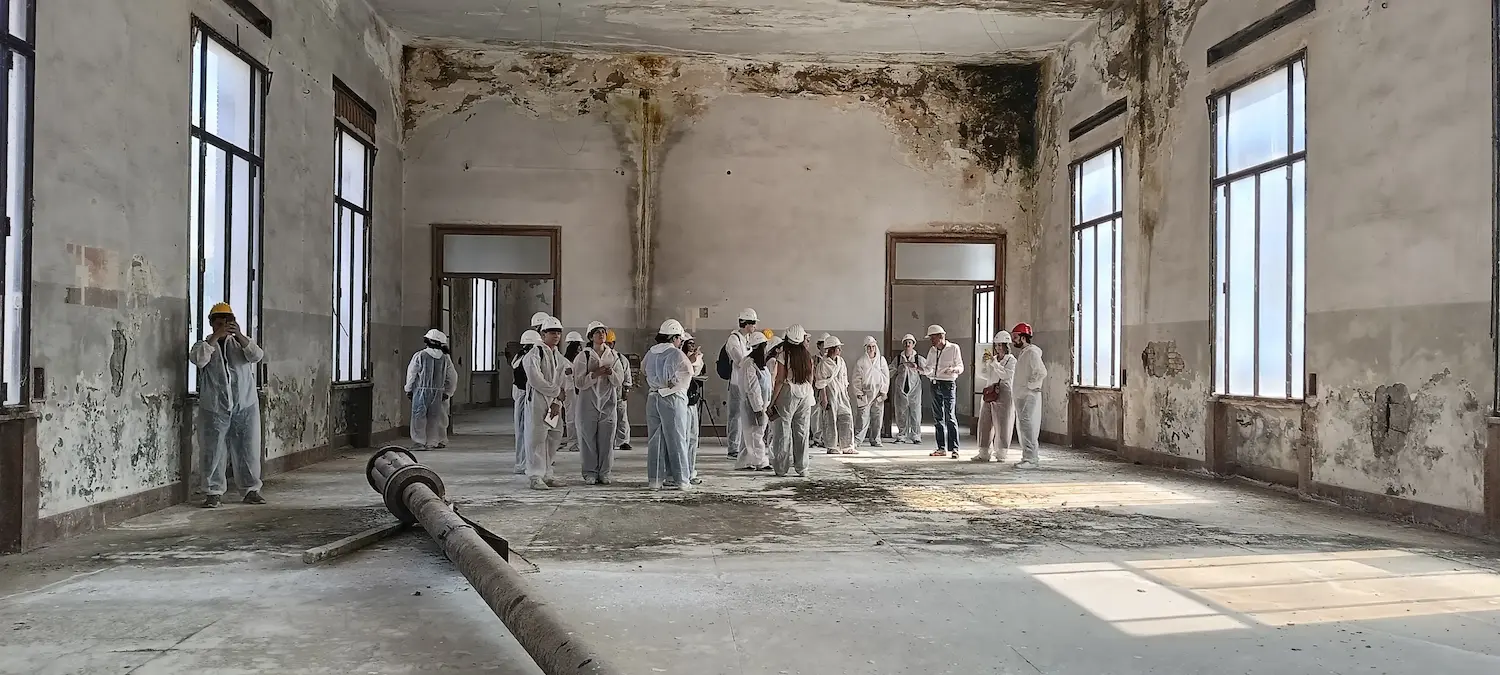
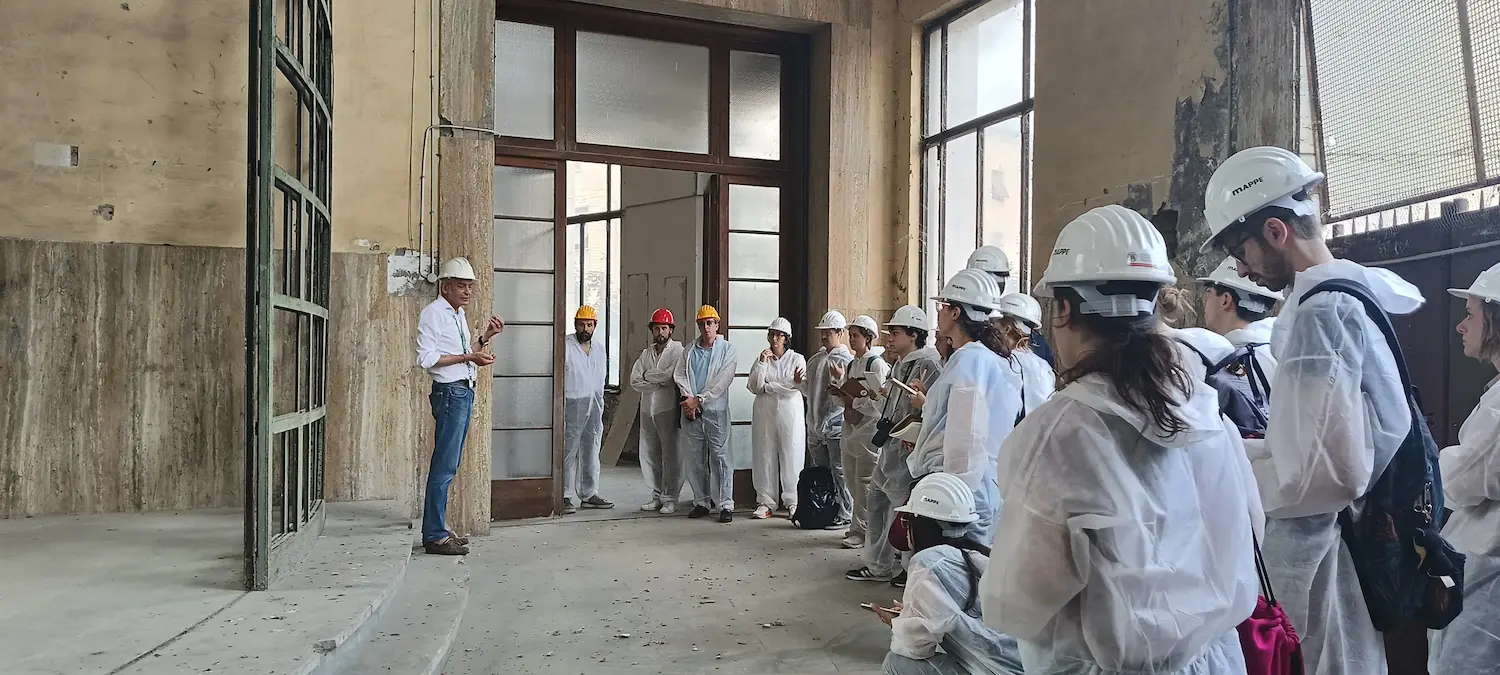
The Open Lab, held at the former House of the Fascist Party in the town of Predappio (Italy), from 9 to 15 June 2025, was coordinated by the research unit of the Università Politecnica delle Marche, with the support from the research units of both the Alma Mater Studiorum – Università di Bologna and Politecnico di Torino. The event was organized in collaboration with the Municipality of Predappio, ATRIUM and SERINAR.
Built in Mussolini’s birthplace in the 1930s by the architect Arnaldo Fuzzi, the House of the Fascist Party is a paradigmatic example of Fascist ideology and a manifesto of the 20th-century architecture in Italy. After being decommissioned in the 1960s, the building suffered decades of neglect, exacerbating its fragile condition. In 2011, a process of heritage recognition and enhancement began, and discussions on the potential reuse continue to be shaped by the negotiation of its troubled past.
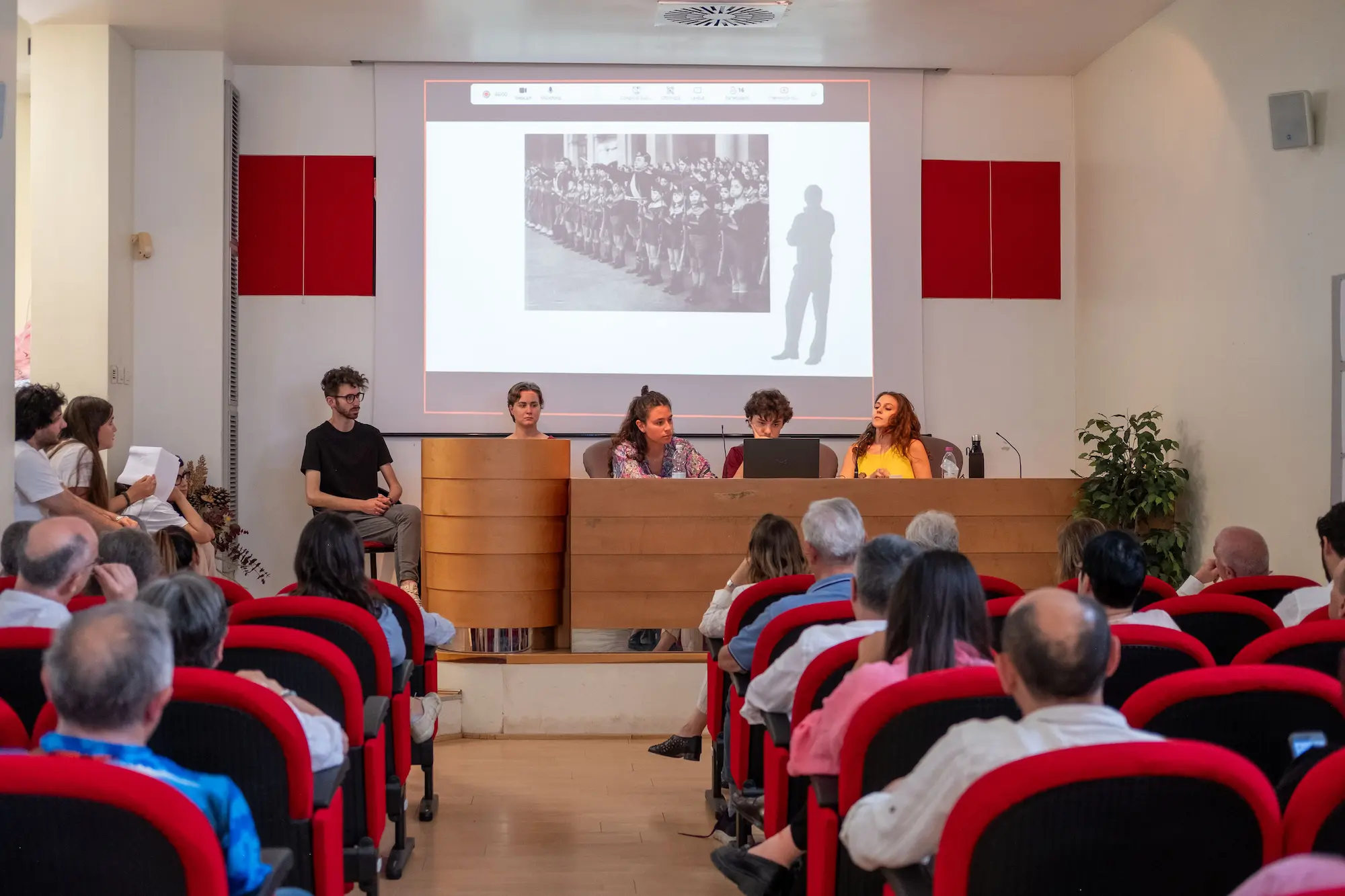
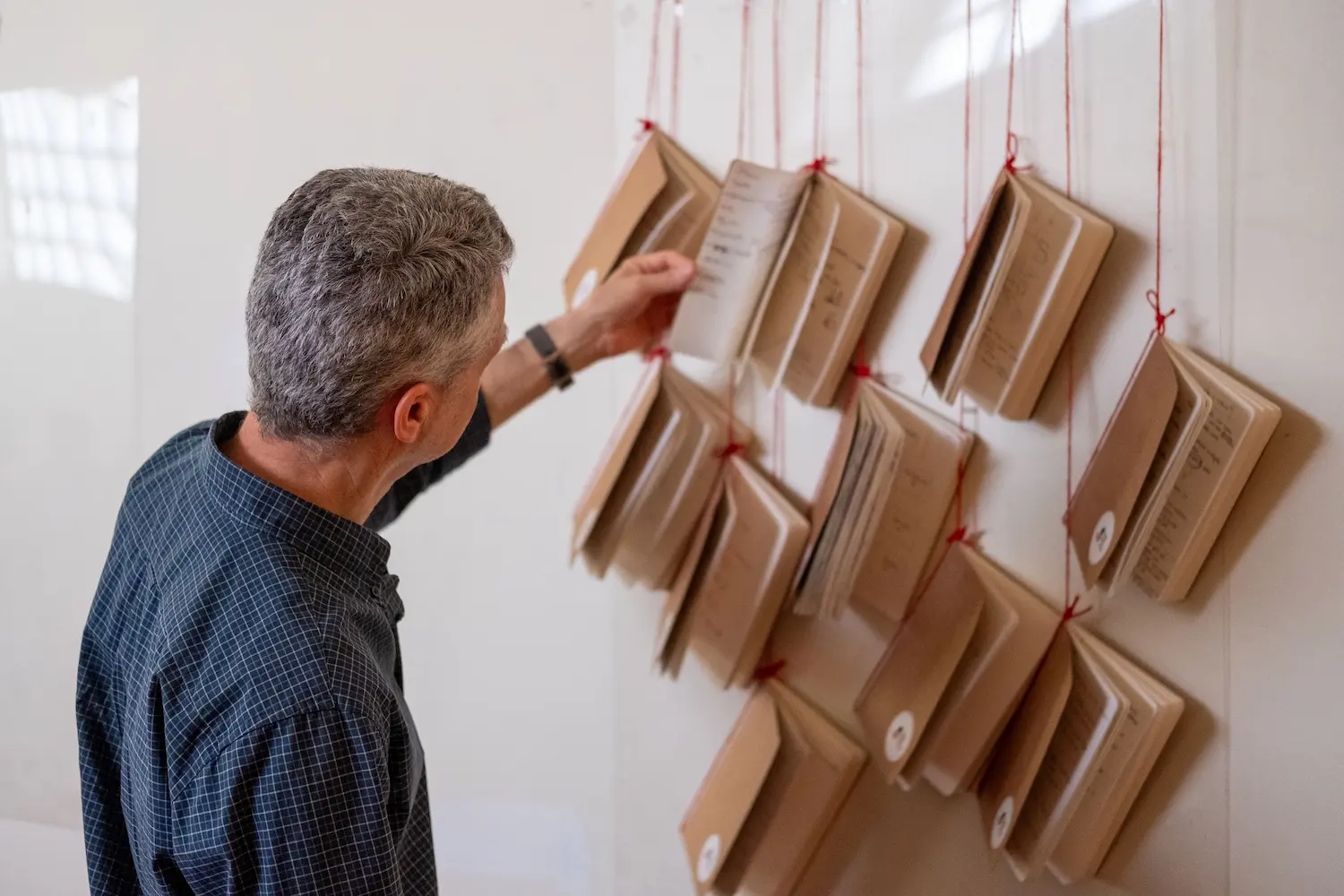
During the workshop, groups of master’s students from the three universities were tasked with contributing to the ongoing process ofre-signifying the site, helping it move from a divisive place to a space of mediation and reflection. We adopted a design-thinking approach, encouraging students to explore potential solutions for reuse, with a focus on museum and exhibition. The key question was not simply whether the building could be reused, but how it should be presented and interpreted, emphasizing the role of artistic reflection within the culture of remembrance. The goal was to find different ways to view the House of the Fascist Party preserving and communicating its difficult legacy without celebrating it. Guided by the team of professors, the students engaged with the case study through field experiences, keynotes lectures, and dedicated activities for developing possible strategies and investigating future scenarios. Finally, the student groups presented their proposals at the presence of municipal representatives, experts, and members of the local community, creating a moment of exchange and discussion about the future of the building.


“Heritage Perception in Armenia”. Workshop and Site Survey (Armenia)
Date: 29 June – 9 July, 2025
Place: Yerevan, Armenia.
Organizer: Alma Mater Studiorum – Università di Bologna.
Partners: National University of Architecture and Construction of Armenia NUACA.
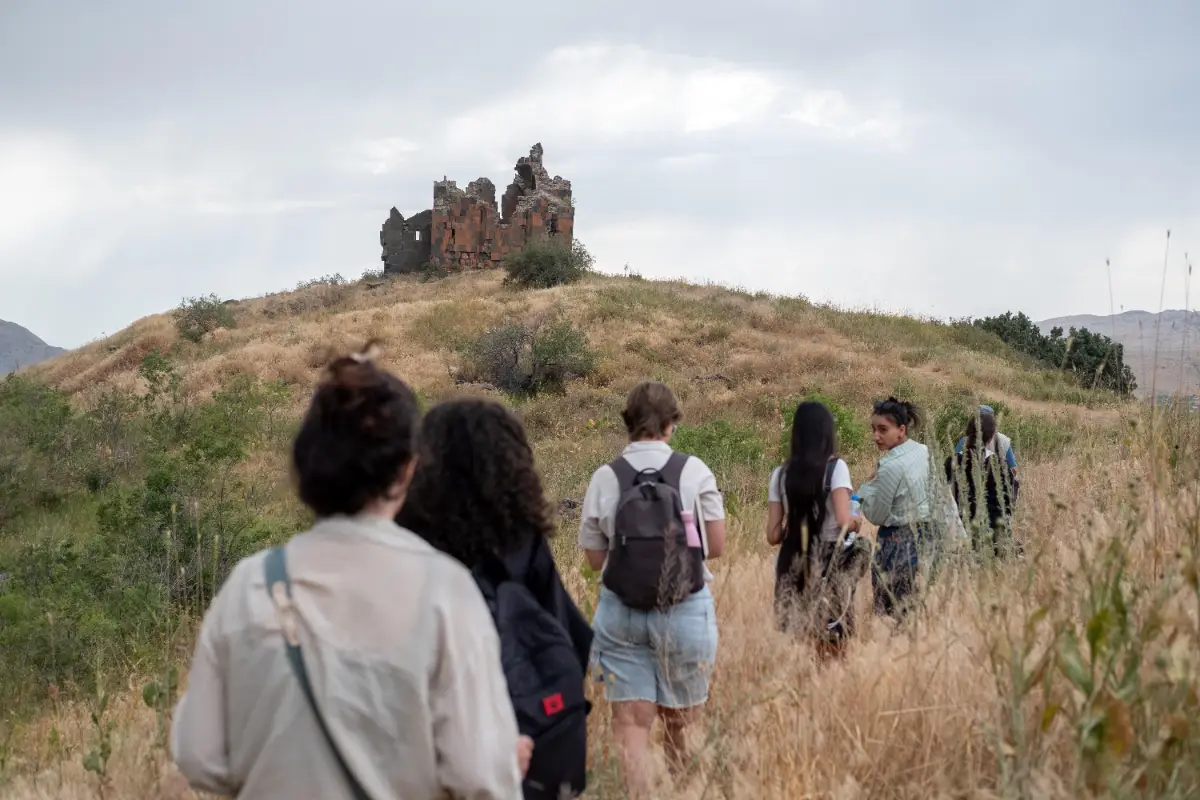
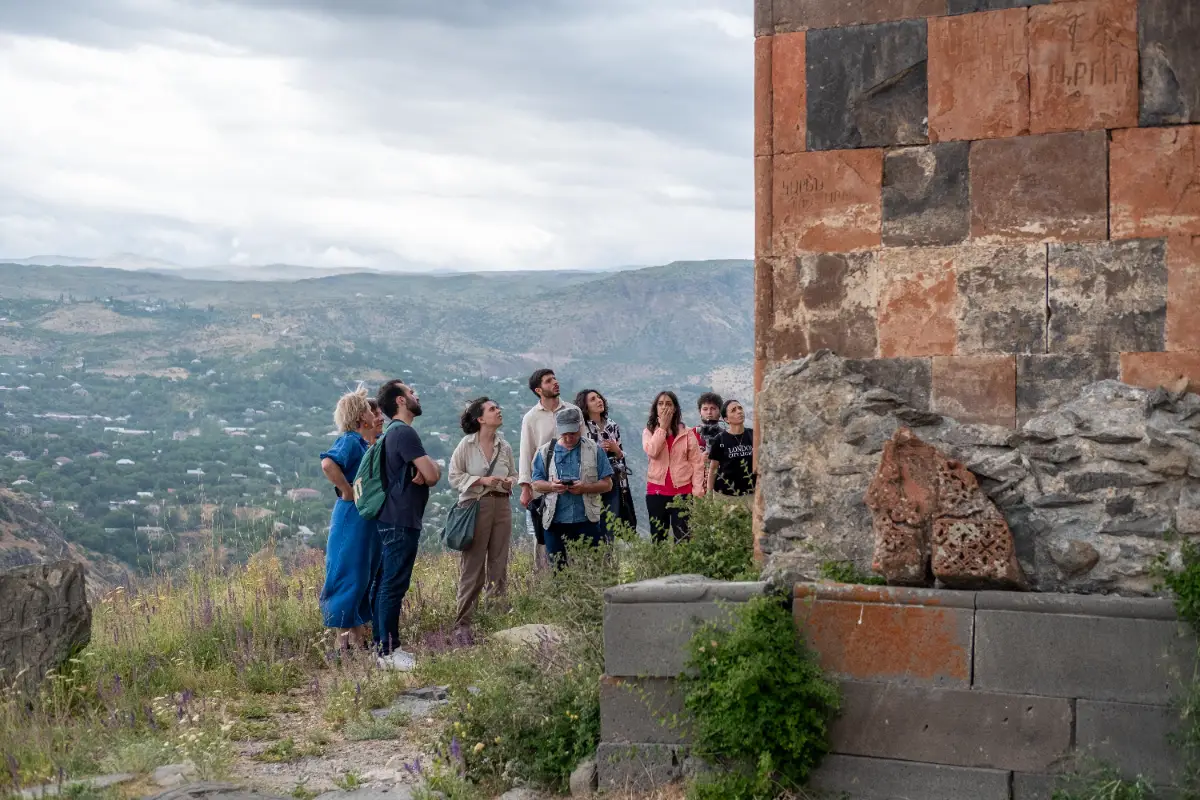
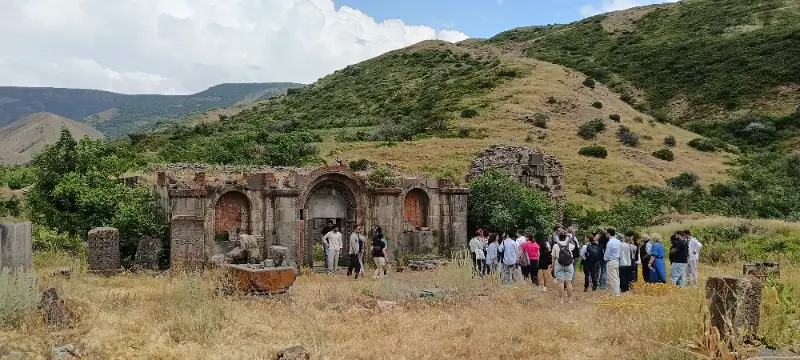
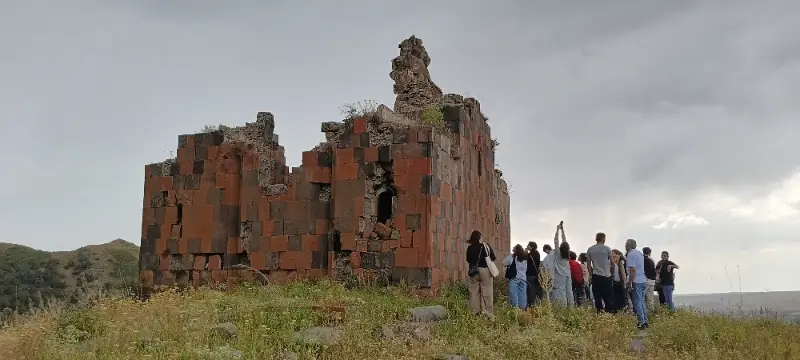
The experimental lab led by the research unit of the Alma Mater Studiorum University of Bologna in Armenia was part of the “Restoring the past – shaping the future” summer camp organized by Center for the Study, Preservation and Enhancement of Armenian Cultural Heritage (SIREH) in collaboration with the National University of Architecture and Construction of Armenia (NUACA), and Yerevan State University and the Academy of Fine Arts (TBC). From July 2 to 9, 2025, a series of activities and experiences were carried out with students and experts from different fields in order to have a multi-perspective and multi-disciplinary view of the architectural and artistic heritage of the country. The aim was to understand the heritagization processes especially in contested or forgotten areas. With a focus on the existing interactions between monuments, landscape, and local communities, the aim was to think about strategies aimed at transmitting cultural heritage to new generations. To better frame and understand the importance of conserving artworks, it was necessary to have students work on recognizing the values and disvalues of forgotten Armenian architectures, also including the intangible qualities that contribute to shaping the perception of the place.
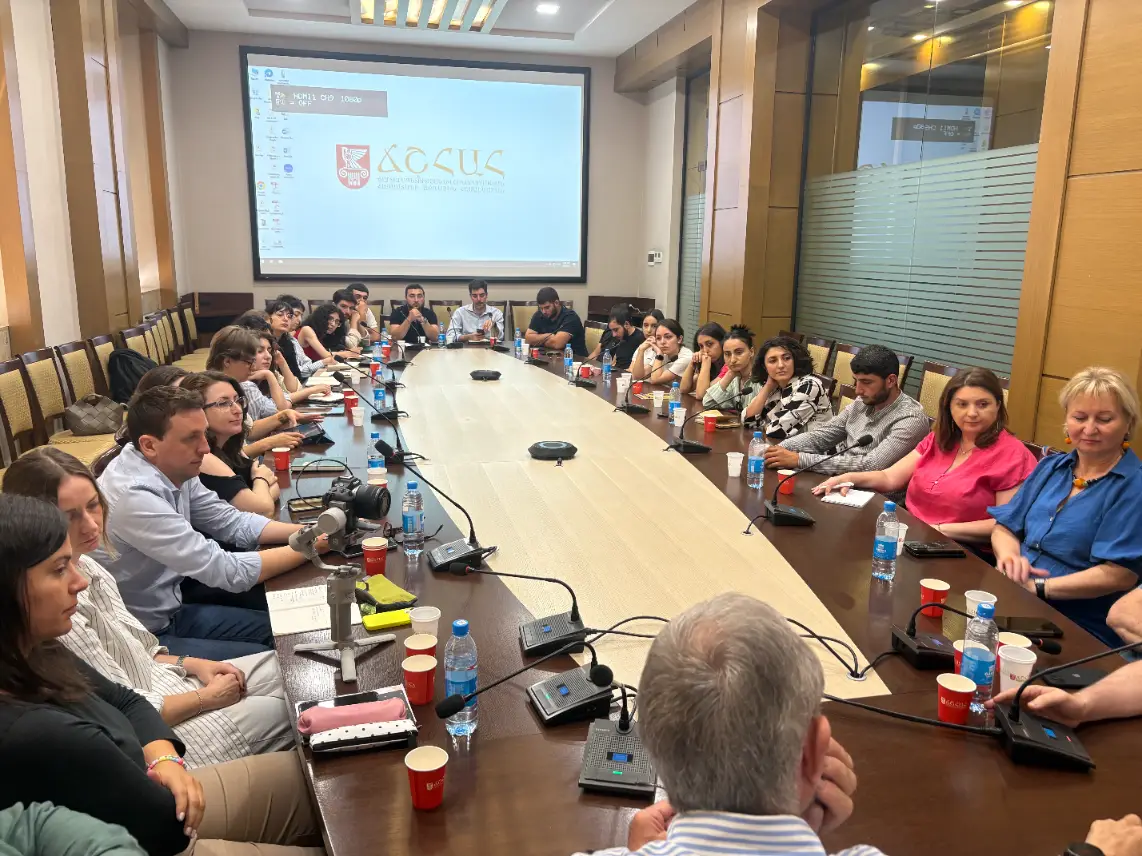
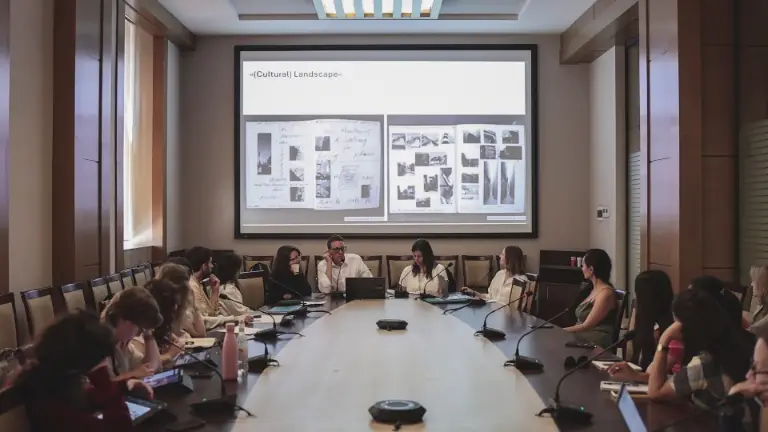
Analysis activities and work on the identity of places were crucial in laying solid foundations for hypothetical enhancement projects that the students of Architecture, Fine Arts and Anthropology were called to carry out by working together. Moreover, to gain a deeper understanding of the real needs of the actors working in these contexts, on July 1, 2025 the team attended the “Heritage Organizations Agora” organized by SIREH, conducting interviews with local associations, NGOs and institutions working in the fields of cultural heritage discerning its role characterized by ongoing conflicts and tensions. On June 29 and 30, 2025, with the same objective, the unit participated in a conference concerning the study of the concept of identity in conflict areas in order to gather international perspectives on the topic. “ETICA International Conference on National Identity in a Time of Crisis” was attended also by World Monuments Fund, Blue Shield Armenia, Europa Nostra, Getty Conservation Institute, and organized by the Armenian Society of Fellows (ASOF). The discussion on Armenian identity led to important reflections on the future of the country and the role of cultural heritage, even in the current political discourse.